
Lifestyle plays a fundamental role in determining our physical health, mental well-being, quality of life, and long-term health outcomes. The way we eat, sleep, exercise, work, relax, use technology, and manage stress can gradually influence how our body and mind function.
The National Center for Biotechnology Information (NCBI) article “Impact of Lifestyle on Health” highlights lifestyle as an important factor associated with health and quality of life. It identifies several major lifestyle features, including diet, physical activity, sleep, substance use, medication use, technology, recreation, and study.
A healthy lifestyle does not require perfection. Instead, it involves making consistent choices that support disease prevention, physical fitness, emotional health, healthy aging, and overall well-being.
-
What Is Lifestyle and Why Does It Matter?
Lifestyle refers to the everyday behaviours and activities that shape how people live. It includes eating habits, physical activity, work, vacation, sleep, relationships, technology use, and other regular behaviours.
According to the referenced article, lifestyle is influenced by geographical, economic, political, cultural, and social factors. This means health behaviours do not exist in isolation; our surroundings and circumstances can influence the choices we make.

An unhealthy lifestyle can contribute to problems such as overweight and thinness, cardiovascular disease, hypertension, metabolic disorders, musculoskeletal problems, and other health conditions. Conversely, healthier daily habits can support physical and mental well-being.
The key message is simple: small daily behaviours can accumulate into significant long-term effects.
-
Healthy Diet and Nutrition
Nutrition is one of the most important mechanisms of a healthy lifestyle. Food provides the energy and nutrients required for the body to function, grow, repair itself, and maintain normal physiological processes.
A poor diet can contribute to excessive weight gain and other health problems. The referenced article specifically identifies diet and body mass index (BMI) as major lifestyle factors and notes concerns surrounding unhealthy food patterns and fast-food consumption in urban environments.
A healthy eating pattern generally emphasizes a variety of nutrient-dense foods, including vegetables, fruits, whole grains, legumes, and appropriate sources of protein and healthy fats.
Good nutrition is not about following every food trend. It is about developing sustainable healthy eating habits that provide adequate nutrition while preventing excessive consumption of highly processed foods, added sugars, and unhealthy fats.
-
Physical Activity and Exercise
Regular physical activity and exercise are vital elements of a healthy lifestyle. Movement supports cardiovascular fitness, muscle strength, mobility, metabolic health, and overall physical functioning.
The referenced article identifies continuous exercise, together with a healthy diet, as an important component of a healthier lifestyle.
Modern lifestyles can make physical inactivity easier. Many people spend long hours sitting at desks, commuting, watching television, or using computers and smartphones.

Research on sedentary conduct has associated excessive sedentary time with adverse health outcomes, including cardiovascular and metabolic risks.
Regular movement does not necessarily require an expensive gym membership. Walking, cycling, recreational sports, household activities, stretching, and other forms of movement can contribute to a more active lifestyle.
-
Sleep and Its Impact on Health
Sleep is another essential foundation of good health. It allows the body and brain to recover and supports physical and psychological functioning.
The referenced article describes sleep as one of the practicalities of a healthy life and notes that lifestyle can influence sleep while sleep itself affects both mental and physical health.
Poor sleep habits can affect concentration, mood, productivity, and daily functioning. Modern technology can also interfere with strong sleep routines when people spend excessive time on computers, smartphones, or other devices late at night.
Creating a consistent sleep routine, maintaining a comfortable sleep environment, and reducing unnecessary screen exposure before bedtime can support healthier sleep habits.
-
Stress Management and Mental Health
Health is not limited to the physical body. Mental health, emotional well-being, and stress management are also important components of a healthy lifestyle.
Continuous stress can influence sleep, productivity, relationships, eating habits, and overall quality of life. A balanced lifestyle should therefore include opportunities for relaxation, recreation, social connection, and recovery.
Lifestyle medicine research emphasizes healthy diet, physical activity, weight management, avoiding tobacco, anxiety reduction, and positive interpersonal connections as important components of health promotion.
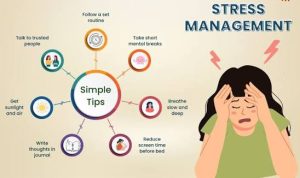
Developing healthy coping strategies can include spending time with supportive people, engaging in enjoyable activities, exercising, maintaining routines, practicing relaxation practices, and seeking professional support when necessary.
-
Substance Use and Medication Safety
Another major lifestyle deliberation is the use of tobacco, alcohol, recreational substances, and medications.
The referenced article identifies substance abuse and medication misuse as unhealthy lifestyle habits. It particularly discusses risks associated with self-medication and inappropriate medication use.
Taking medication without appropriate medical guidance can create risks, including adverse effects and inappropriate antibiotic use. Antibiotic misuse is also a significant public-health concern because it contributes to antimicrobial resistance.
A healthy lifestyle therefore includes making informed decisions about constituents and medications and following appropriate medical advice.
-
Technology and the Modern Lifestyle
Technology has transformed everyday life. Smartphones, computers, the internet, and digital communication provide enormous benefits for education, employment, communication, entertainment, and access to information.
However, excessive or poorly managed technology use can also affect lifestyle. The referenced article discusses worries about technology overuse, including potential effects on sleep and psychological well-being.

The solution is not necessarily to reject technology. Instead, the goal should be healthy technology habits.
People can establish screen-free periods, avoid unnecessary late-night device use, take regular movement breaks, and maintain a healthy balance between digital activities and real-world relationships.
-
Recreation, Learning, and Social Well-Being
A healthy lifestyle also includes recreation, hobbies, learning, and meaningful social activities.
Recreation gives people opportunities to relax and recover from daily responsibilities. Hobbies can encourage creativity and provide a sense of achievement.
Education and intellectual stimulation can also contribute to lifelong development. The referenced article includes a study of lifestyle factors and discusses associations between education and cognitive health.
Maintaining social connections is equally valuable. Positive relationships can provide emotional support, companionship, and a sense of belonging.
-
Key Factors of a Healthy Lifestyle
The evidence and discussion surrounding lifestyle health point toward several practical factors:
- Balanced nutrition for adequate energy and nutrients.
- Regular physical activity to support fitness and overall health.
- Quality sleep for physical and mental recovery.
- Healthy weight management through sustainable habits.
- Stress management to support emotional well-being.
- Avoidance of tobacco and harmful substances.
- Responsible medication use and appropriate medical guidance.
- Healthy technology habits to prevent excessive sedentary time and screen time.
- Recreation and hobbies for relaxation and enjoyment.
- Learning and social connections for intellectual and emotional well-being.
These factors work together rather than independently. Improving several habits at the same time can create a more comprehensive approach to healthy living.
-
Building a Healthier Lifestyle One Step at a Time
Changing lifestyle habits can seem difficult when approached all at once. A more sustainable strategy is to begin with small, accurate changes.
Start by identifying one behaviour that could be improved. For example, you might add a daily walk, improve your breakfast, establish a consistent bedtime, or take regular breaks from sitting.
Once the habit becomes easier, another healthy activity can be introduced.

The goal is consistency rather than perfection. Long-term health is unfair by patterns of performance, so sustainable habits are generally more useful than short-term extreme approaches.
As the saying goes:
“The greatest wealth is health.” — Virgil
Another widely quoted reminder emphasizes the importance of prevention:
“An ounce of prevention is worth a pound of cure.” — Benjamin Franklin
These quotes capture an important principle: taking care of health before serious problems develop can be valuable.
Conclusion
The impact of lifestyle on health extends far beyond specific daily choices. Nutrition, exercise, sleep, stress management, substance use, medication habits, technology, recreation, learning, and social connections can all contribute to the way people experience physical and mental well-being.
The research discussed in the referenced NCBI article identifies nine lifestyle factors that can influence health, emphasizing the importance of systematic planning at both individual and broader levels.
A healthier lifestyle does not require dramatic overnight transformation. Small, consistent improvements can create telling changes over time. By choosing nutritious foods, staying physically active, protecting sleep, managing stress, using technology responsibly, avoiding harmful substances, and maintaining meaningful relationships, people can build a stronger foundation for health, longevity, productivity, and quality of life.
Ultimately, healthy living is not a temporary project. It is an assembly of everyday choices that, repeated over time, can shape a healthier and more fulfilling life.