Creating a Positive Mindset: Unlocking Resilience and Success
A positive mindset can be one of the most valuable assets a person develops in life. It does not mean ignoring problems, pretending everything is perfect, or avoiding negative emotions. Instead, a positive mindset means learning to approach challenges with optimism, resilience, self-confidence, adaptability, and a willingness to find solutions.
Life inevitably brings delays, uncertainty, failure, and disappointment. The difference often lies in how we respond to these experiences. A person with a positive mindset can view problems as opportunities to learn, improve, and grow.
Developing this mindset takes time and consistent practice, but it can support personal growth, mental strength, productivity, motivation, and long-term success.
What Is a Positive Mindset?
A positive mindset is a way of thinking that focuses on possibilities, solutions, learning, and positive action. It does not mean being positive every second of the day. Everyone experiences fear, sadness, frustration, and disappointment.
The key is learning how to respond to those sentiments without allowing them to completely control our decisions.
For example, after failing an exam, a negative mindset might say, “I am not good enough.” A constructive mindset might ask, “What went wrong, and what can I do differently next time?”
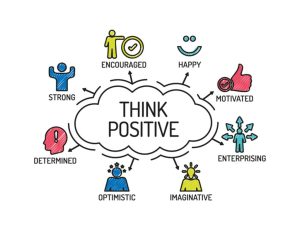
This small change in thinking can influence motivation, confidence, resilience, and future behaviour.
A positive mindset therefore focuses not only on what happens to us but also on what we can learn and do next.
The Connection Between Positive Thinking and Resilience
Resilience is the ability to adapt to difficult circumstances and recover from setbacks. It is one of the most important factors in personal and professional growth.
People who develop resilience understand that failure is not necessarily permanent. A setback can afford information, experience, and an opportunity to change direction.
Consider the famous quote:
“Our greatest glory is not in never falling, but in rising every time we fall.” — Confucius
This idea captures the relationship between positive thinking and giving. A resilient person may experience disappointment, but they continue searching for a way forward.
Building resilience requires self-awareness, patience, emotional flexibility, problem-solving skills, and perseverance.
Key Factors That Build a Positive Mindset
Creating a positive mindset is a process. Several important factors can strengthen it over time:
Self-Awareness
Understanding your thoughts and emotional responses is the first step. Pay attention to negative thought patterns and identify situations that trigger self-doubt or unnecessary worry.
Self-Talk
The way you speak to yourself matters. Replace overly critical statements with accurate and constructive alternatives.
Instead of saying, “I always fail,” try asking, “What can I learn from this experience?”
Gratitude
Regularly recognizing the good things in your life can shift your attention toward positive experiences. Appreciation can be as simple as appreciating supportive relationships, opportunities, health, education, or small daily achievements.
Goal Setting
Clear and realistic goals provide direction. Breaking large aims into smaller steps can make progress easier to see and maintain.
Supportive Relationships
Positive relationships can provide encouragement, perspective, and emotional support. Surrounding yourself with people who encourage growth can strengthen confidence and motivation.
Turn Negative Thoughts Into Constructive Thinking
Everyone experiences negative thoughts. The goal is not to reject them completely but to learn how to challenge and reframe them.
Suppose you make a mistake at work. You might immediately think, “I am terrible at my job.”
Instead, examine the thought:
- What exactly went wrong?
- Was the mistake avoidable?
- What can I learn from it?
- What action can prevent it in the future?
This approach transforms a negative experience into a learning opportunity.
Constructive thinking does not involve impractical optimism. It combines realism with hope and action.
Positive Mindset and Success
A positive mindset can support success because it encourages people to continue working toward meaningful goals even when progress is slow.
Success rarely happens instantly. Whether someone is building a career, starting a business, studying for a degree, improving their health, or learning a new skill, progress often requires discipline, consistency, patience, and perseverance.
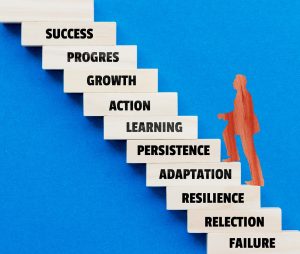
A positive mindset can make it easier to preserve these behaviors.
This does not guarantee success, because outcomes are influenced by many factors. However, developing constructive thinking can improve the way we respond to obstacles and opportunities.
Develop a Growth Mindset
A growth mindset involves believing that abilities can develop through learning, practice, feedback, and effort.
For example, instead of saying:
“I am not good at mathematics.”
A growth-oriented approach is:
“I am not good at mathematics yet, but I can improve through practice and better strategies.”
The word “yet” represents an important shift. It turns a permanent-sounding limitation into a provisional challenge.
A growth mindset encourages continuous learning, perseverance, curiosity, and personal development.
It also makes constructive criticism easier to accept because feedback becomes information for improvement rather than a personal attack.
Build Daily Habits for a Positive Mindset
A positive mindset becomes stronger when it is supported by everyday habits.
Start Your Day With Intention
Instead of immediately focusing on problems, identify one or two important priorities for the day.
Practice Gratitude
Write down three things you appreciate. They do not have to be major achievements. Small positive experiences can matter.
Exercise Regularly
Physical activity can support overall well-being and provide a healthy break from stress and repetitive thinking.
Limit Negative Information
Constant exposure to negative news, unhealthy social media comparisons, or pessimistic conversations can influence your emotional environment. Be intentional about what you consume.
Celebrate Small Progress
Do not wait for major achievements before acknowledging progress. Recognizing small improvements can strengthen motivation and self-confidence.
Learn From Failure Instead of Fearing It
Failure is one of the greatest tests of a positive mindset.
When something does not work, there are two broad possibilities: we can allow the experience to define us, or we can use it as information.
Ask yourself:

What happened?
This approach creates a cycle of experience → learning → adjustment → improvement.
The second popular quote that reflects this principle is:
“I have not failed. I’ve just found 10,000 ways that won’t work.” — Thomas Edison
Create an Environment That Supports Positivity
Your environment can inspire your mindset. The people you spend time with, the information you consume, your workspace, and your daily routines can all affect your thinking.
Create an environment that encourages focus, learning, creativity, and personal growth.
Keep meaningful goals visible. Read books that expand your perception. Spend time with people who encourage constructive behaviour. Remove unnecessary distractions when possible.
Key Factors for Long-Term Mental Strength
To maintain a positive mindset over the long term, focus on these essential factors:
- Resilience: Recover and learn from setbacks.
- Self-confidence: Believe that improvement is possible.
- Gratitude: Recognize positive experiences and opportunities.
- Discipline: Take consistent action even when motivation is low.
- Adaptability: Adjust your approach when circumstances change.
- Self-awareness: Understand your thoughts, emotions, and behaviors.
- Growth mindset: Treat abilities as skills that can be developed.
- Purpose: Connect daily actions with meaningful goals.
- Healthy relationships: Build supportive and constructive connections.
- Continuous learning: Keep developing knowledge and skills.
Conclusion
Creating a positive mindset is not about pretending that life has no problems. It is about developing the mental habits needed to face those problems with greater resilience, clarity, and resolve.
A positive mindset can encourage personal growth, emotional resilience, motivation, productivity, confidence, creativity, and goal achievement. It helps us replace “I can’t” with “How can I improve?” and transform setbacks into opportunities for education.
Ultimately, success is not determined only by what happens to us. By consistently developing a positive and realistic mindset, we can be better set to handle challenges, pursue meaningful goals, and build a stronger and more fulfilling life.