
A healthy lifestyle is one of the most appreciated investments a person can make. Good health is not simply the absence of illness; it also includes physical fitness, emotional well-being, healthy relationships, positive habits, and a meaningful approach to everyday life. The choices we make each day—what we eat, how much we move, how we sleep, how we manage stress, and how we connect with others—can influence our overall health and quality of life.
A healthier life does not require perfection or extreme routines. Instead, it comes from making realistic, consistent selections that support physical health, mental wellness, emotional balance, and personal growth. Lifestyle.org organizes its approach around five key areas: Attitude, Wellness, Activity, Relationships, and Existence.
-
Build a Positive and Healthy Attitude
A healthy lifestyle begins with your attitude and mindset. The way you think about yourself, your circumstances, and your future can influence your daily decisions and performance.
A positive attitude does not mean ignoring difficulties. Everyone experiences stress, disappointment, uncertainty, and failure. Instead, a healthy mindset helps you respond to challenges constructively and focus on solutions rather than becoming overwhelmed by problems.
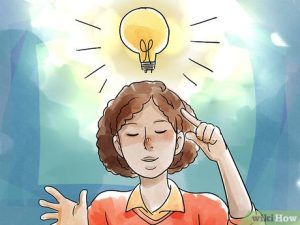
Practice positive self-talk, set realistic goals, and recognize your progress. Avoid comparing your entire life with the carefully selected moments you see on social media. Developing gratitude can also help you appreciate the positive aspects of everyday life.
Key Factors for a Healthy Arrogance
- Positive thinking
- Self-awareness
- Emotional resilience
- Realistic goal setting
- Gratitude
- Stress management
- Healthy self-talk
When your mindset supports healthy decisions, it becomes easier to maintain other aspects of a balanced lifestyle.
-
Focus on Nutrition, Wellness, and Daily Health
Healthy nutrition is a fundamental part of overall well-being. Your body needs sufficient nutrients and energy to function accurately, and your eating habits can influence energy levels, physical performance, and long-term health.
Aim for a balanced diet that includes a variety of vegetables, fruits, whole grains, legumes, protein sources, and healthy fats. Drinking enough water is also an important part of maintaining healthy daily habits.
Rather than following extreme diets, focus on sustainable eating patterns. Limit excessive consumption of highly processed foods, added sugars, and foods high in unhealthy fats.

Wellness also involves paying attention to your overall health. Regular medical checkups, appropriate preventive care, good hygiene, and awareness of changes in your health can help you make informed decisions.
A healthy lifestyle is therefore not based on one food or one habit. It is the combination of many everyday activities.
-
Make Physical Activity Part of Your Routine
Physical activity and exercise are essential components of a healthier life. Regular undertaking can support cardiovascular fitness, muscle strength, flexibility, mobility, and overall physical well-being.
You do not necessarily need luxurious equipment or a gym membership. Walking, cycling, swimming, stretching, entertaining sports, dancing, and active domestic tasks can all contribute to a more active lifestyle.
The most important factor is consistency. If you now have an inactive routine, begin with manageable amounts of movement and gradually increase your activity.

Regular exercise can also support mental well-being by providing an opportunity to release tension, improve mood, and take a break from daily responsibilities.
Simple Ways to Become More Active
- Take regular walking breaks.
- Use stairs when practical.
- Go for a daily walk.
- Participate in a sport you enjoy.
- Stretch after long periods of sitting.
- Schedule exercise as part of your weekly routine.
The best exercise routine is one that you can realistically maintain over time.
-
Strengthen Relationships and Emotional Well-Being
Health is not only about diet and exercise. Relationships and social connections can also play an important role in a fulfilling life.
Supportive relationships can provide companionship, reassurance, emotional support, and a sense of belonging. Spending quality time with family, friends, colleagues, or community members can help create a stronger social environment.

Healthy relationships require communication, respect, trust, boundaries, and empathy. At the same time, it is important to recognize relationships that constantly create unnecessary stress or negatively affect your well-being.
Make time for meaningful conversations and shared activities. Put away distractions when spending time with people who matter to you and listen actively.
Key Relationship Habits
- Communicate honestly.
- Listen without immediately judging.
- Spend quality time with loved ones.
- Offer support when others need it.
- Maintain healthy boundaries.
- Ask for help when you need it.
Strong social connections can make life’s challenges easier to navigate and can contribute to a more balanced and meaningful lifestyle.
-
Create Balance, Purpose, and Healthy Daily Habits
A truly healthy lifestyle requires balance. Work, education, family responsibilities, recreation, rest, and personal interests all deserve appropriate attention.
One important aspect of balance is getting sufficient sleep and allowing your body and mind time to recover. Creating a consistent sleep routine, reducing redundant late-night screen use, and maintaining a comfortable sleeping environment can support better rest.
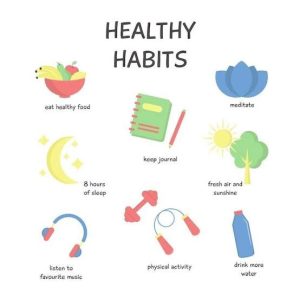
It is also important to manage stress. Try activities that help you relax, such as walking, reading, spending time outdoors, practicing breathing exercises, pursuing hobbies, or connecting with supportive people.
Finally, consider your purpose and personal values. A healthier life is not simply about living longer; it is also about creating a life that feels meaningful. Learning new skills, helping others, chasing worthwhile goals, and making time for activities you enjoy can contribute to overall life satisfaction.
Practical Healthy Lifestyle Checklist
- Eat a balanced and nutritious diet.
- Drink enough water.
- Stay physically active.
- Prioritize quality sleep.
- Manage everyday stress.
- Maintain supportive relationships.
- Take breaks from excessive screen time.
- Avoid harmful substances.
- Make time for hobbies and recreation.
- Set realistic personal goals.
- Practice gratitude.
- Schedule appropriate preventive healthcare.
Conclusion
A healthy lifestyle is created through the choices we make repeatedly. It is not about following a perfect routine or changing everything overnight. Instead, it is about developing sustainable habits that support your body, mind, relationships, and sense of purpose.
The five areas highlighted by Lifestyle.org—Attitude, Wellness, Activity, Relationships, and Existence—provide a useful framework for thinking about health as a whole-person concept.
Start with small changes. Take a daily walk, improve one part of your diet, establish a better sleep routine, spend time with loved ones, or dedicate a few minutes to reflection. Over time, these small decisions can become powerful healthy habits.
The goal is not simply to avoid illness. The goal is to build a healthier, more balanced, active, connected, and meaningful life—one daily choice at a time.