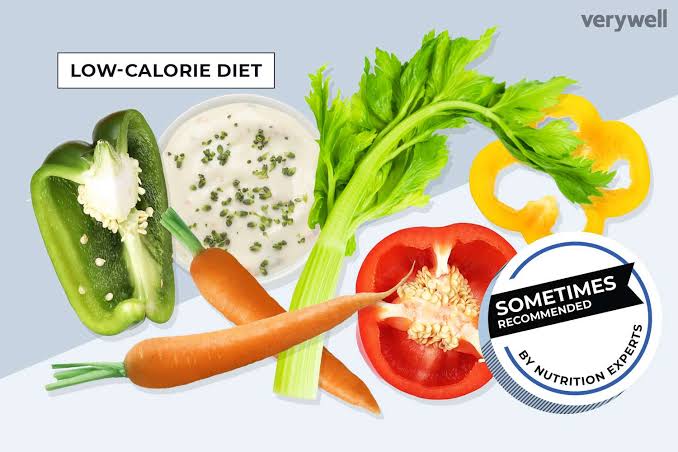
Are Low-Calorie Diets Safe or Healthy?
Low-calorie diets have become popular among people who want to lose weight quickly and improve their health. With countless diet plans promising rapid results, it is easy to assume that eating fewer calories is always better. However, low-calorie diet safety depends on how much food is being reduced, the nutritional quality of the diet, the person’s health, and how long the diet is followed.
Reducing calorie intake can support healthy weight loss when it is part of a balanced and sustainable eating plan. However, severely restricting food can make it difficult to obtain enough protein, vitamins, minerals, fibre, and other essential nutrients. Very low-calorie diets may require professional supervision and are not appropriate for everyone.
Understanding the difference between a sensible calorie deficit and extreme calorie restriction is therefore essential for anyone considering a weight-loss diet.
What Is a Low-Calorie Diet?
A low-calorie diet generally means consuming fewer calories than your body uses, creating a calorie deficit that can result in weight loss. The amount of food a person needs varies according to factors such as age, sex, height, body weight, activity level, and overall health.
A moderate reduction in calorie intake can be included in a healthy weight-management plan. The goal should not simply be to eat as little as possible, but to reduce calories while still providing the body with adequate nutrition.
According to the CDC, healthy weight management includes nutritious eating, regular physical activity, sufficient sleep, and stress management. Gradual weight loss—around 1 to 2 pounds per week—is more likely to be maintained than very rapid weight loss.
This is an important distinction. Low-calorie does not automatically mean healthy. A diet consisting mainly of highly processed foods with very small portions may be low in calories but still lack important nutrients.
A healthier approach focuses on nutrient-dense foods, including vegetables, fruits, whole grains, protein sources, and healthy fats.
Can Low Calorie Diets Be Healthy?
Yes, a reduced-calorie eating plan can be healthy when it is properly designed and provides adequate nutrition. For people who need to lose weight, even modest weight loss can provide health benefits.
A healthy low-calorie diet should prioritize foods that provide substantial nutrition without excessive calories. Vegetables and whole fruits, for example, provide fibre, vitamins, minerals, and other beneficial nutrients while generally being relatively low in calories.

Protein is also important. Foods such as eggs, fish, poultry, beans, lentils, yogurt, nuts, seeds, and other protein-rich foods can help create balanced meals.
Whole grains and other Fiber-rich foods can also contribute to a satisfying diet. Healthy fats can be included in appropriate amounts through foods such as nuts, seeds, avocados, and certain oils.
The objective is to create a balanced diet for weight loss, rather than eliminating entire food groups without a good reason.
A sustainable eating plan should also fit your lifestyle, food preferences, cultural habits, budget, and health needs. NIDDK notes that an effective weight-loss plan should be one that is supported by evidence and can be followed over the long term.
What Are the Risks of Extreme Calorie Restriction?
The biggest concerns arise when calorie intake becomes extremely low. Very low-calorie diets (VLCDs) are substantially more restrictive than ordinary reduced-calorie eating plans.
For example, NHS guidance describes very low-calorie diets as plans providing fewer than 800 calories per day in its weight-management guidance and emphasizes that these diets are not suitable or safe for everyone. They may sometimes be used for specific medical reasons under professional supervision.
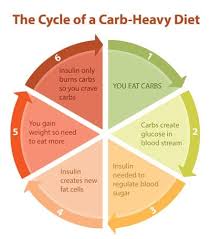
Extreme calorie restriction can make it difficult to meet nutritional requirements. Depending on the diet and individual circumstances, inadequate intake can contribute to nutritional deficiencies, fatigue, weakness, and other health concerns.
Rapid weight loss can also be difficult to maintain. Public-health guidance generally favors gradual, sustainable changes rather than extreme dieting.
Another concern is that highly restrictive diets can make people excessively hungry and make it difficult to follow normal eating patterns. This can make long-term weight management challenging.
Very low-calorie diets should therefore not be treated as a do-it-yourself solution. People considering a medically restrictive diet should discuss it with a qualified healthcare professional, particularly if they take medication or have an existing health condition.
How to Follow a Healthier Low-Calorie Diet
If reducing calories is appropriate for you, focus on healthy eating habits and sustainable weight loss rather than trying to achieve the largest possible calorie reduction.
Start by building meals around nutrient-dense foods. Vegetables, fruits, whole grains, lean or plant-based protein sources, and appropriate amounts of healthy fats can provide nutrition while supporting calorie control.
Portion awareness can also help. You do not necessarily need to eliminate your Favorite foods. Instead, consider reasonable portions and balance them with nutritious foods.
Drinks are another area to consider. Sugar-sweetened beverages can add calories without providing the same level of fullness as whole foods. Choosing water or other lower-calorie options can make calorie reduction easier.
Regular physical activity is also an important part of healthy weight management. The CDC recommends that adults generally aim for at least 150 minutes of moderate-intensity aerobic activity each week, along with muscle-strengthening activity on at least two days, although individual needs can vary.
Sleep and stress management should not be ignored. A healthy lifestyle involves more than food and calories.
Most importantly, avoid diet plans that promise dramatic results in an unrealistically short period. NIDDK specifically identifies exaggerated weight-loss promises as warning signs when evaluating weight-loss programs.
Is a Low-Calorie Diet Right for Everyone?
There is no single best diet for weight loss that works for every person. Individual calorie requirements and health needs differ, and people can respond differently to eating plans.
A low-calorie diet may be appropriate for some people who need to lose weight, but the right approach depends on individual circumstances. People with medical conditions, those taking medications, pregnant or breastfeeding individuals, children and teenagers, and anyone considering a very low-calorie diet should obtain appropriate professional guidance rather than making major dietary restrictions independently.
The most useful question is not simply, “How few calories can I eat?” Instead, ask, “Can this eating pattern provide enough nutrition and support my health while being realistic enough to maintain?”
A healthy approach to weight loss combines appropriate calorie intake with nutritious foods, regular physical activity, adequate sleep, and sustainable habits.
Ultimately, low-calorie diets can be safe and healthy when appropriately designed, but extreme calorie restriction is not automatically better and may require professional supervision. Sustainable weight loss is more about building healthy habits than pursuing the fastest possible result.
Choose nutritious foods, create realistic goals, stay physically active, and seek professional advice when you need individualized guidance. A balanced, sustainable approach can support both healthy weight management and long-term well-being.